Featured
Some Ideas on Necessary Paperwork for Debt Forgiveness You Need To Know
Table of Contents
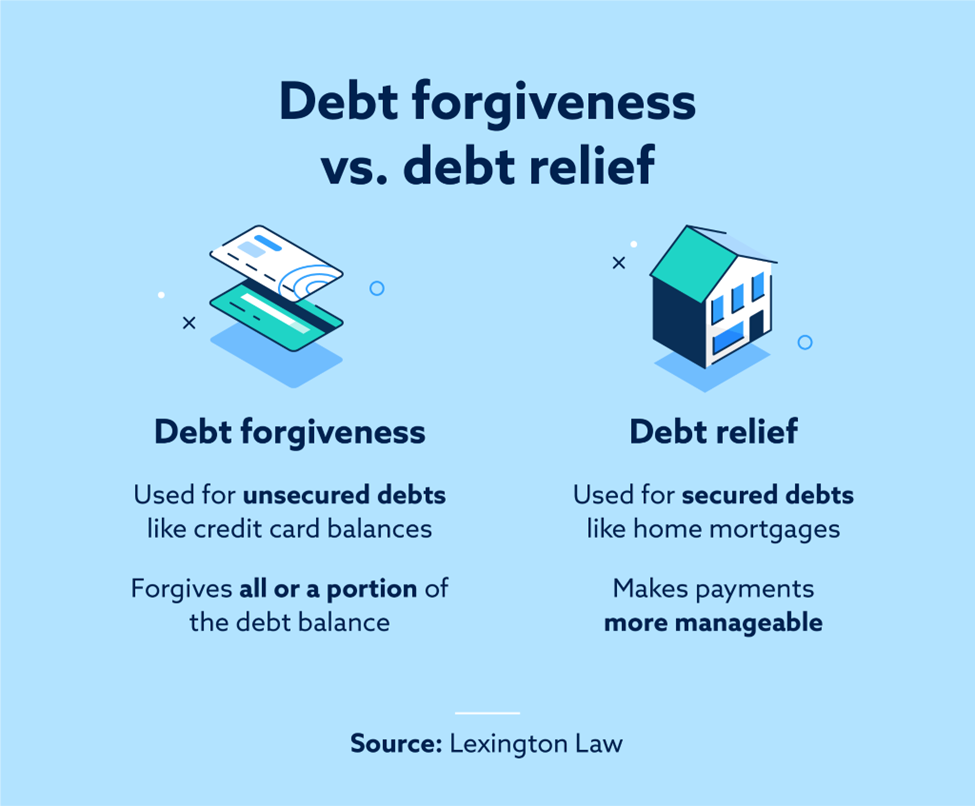
That frees up money in the short term, and you might have three to four years to save toward the settlement quantity. Extremely unsafe to credit report, largely as a result of missed out on repayments and a negative "cleared up" mark that could remain on your credit report for up to 7 yearsMay be only choice if various other options (debt combination, balance transfer charge card, financial debt forgiveness) aren't possibleTypically requires a cost to the third party, which could counter some or every one of the cost savings from financial obligation settlementMay aid you avoid personal bankruptcy if you've missed several paymentsNot all financial institutions function with financial debt settlement business Financial debt forgiveness may be ideal for you if you are experiencing a monetary hardship that makes it almost difficult to pay for your debt equilibriums.

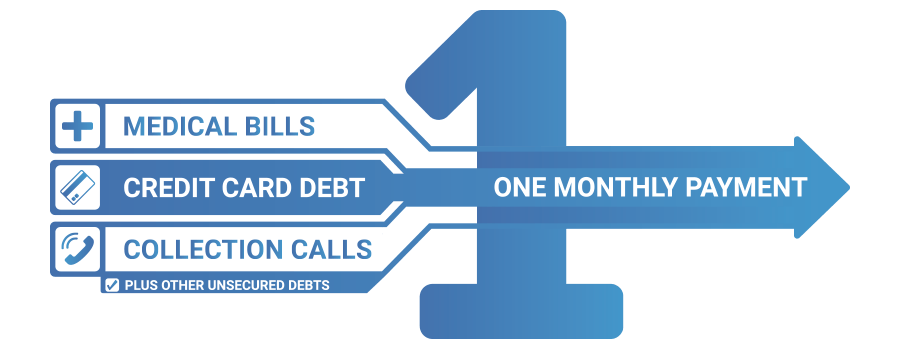
With a DMP, you make one monthly settlement to the debt counseling company. Those funds are then dispersed to creditors of your unsecured debts, such as credit rating cards and installment finances. The company functions with your creditors to minimize rate of interest or forgo fees, yet some creditors might decline such concessions.
A debt combination lending combines your qualified financial debts into one brand-new funding. It can aid you pay for financial debt if you have the ability to secure a loan rate that's lower than the typical rate of the accounts you're settling. However, you need to avoid acquiring financial obligation on those newly cleared accounts or your financial debt can grow even greater.
That gives you lots of time to remove or significantly lower your balance while making interest-free settlements.
The Credit Card Debt Relief Solutions PDFs
You might require it if your lender or a debt collector ever tries to accumulate on the financial debt in the future. The letter might confirm you do not owe what the collection company's documents show. Yes, most of the times, the IRS considers forgiven debt as gross income. When a lender forgives $600 or more, they are needed to send you Type 1099-C.
Financial debt mercy or settlement practically constantly hurts your credit. Anytime you resolve a financial obligation for much less than you owe, it may appear as "cleared up" on your credit score record and impact your credit report for seven years from the date of negotiation. Your credit scores can likewise drop substantially in the months causing the forgiveness if you fall back on repayments.
Examine This Report about Local Resources That Offer Financial Assistance
This scenario often results from underreporting income, not filing returns on time, or inconsistencies located during an Internal revenue service audit. The effects of accumulating tax obligation financial obligation are serious and can consist of tax obligation liens, which give the Internal revenue service a lawful insurance claim to your home as security for the debt.
Higher rate of interest rates on offered credit report. Incomes and Financial institution Accounts internal revenue service can levy (seize) wages and checking account to satisfy the financial obligation. Minimized income and interruption of necessary monetary procedures. Property Seizure In extreme cases, the internal revenue service can take and offer building to cover the debt. Loss of useful properties and prospective variation.
Social Preconception Encountering legal activity from the IRS can lug social stigma. Work Opportunities An inadequate credit rating due to tax financial obligation can restrict work possibilities. Federal government Advantages Tax financial debt might affect qualification for federal government advantages, such as Social Safety And Security and Medicaid.
Rumored Buzz on Is Debt Forgiveness Right for Your Situation
The OIC considers a number of aspects, consisting of the taxpayer's revenue, expenditures, asset equity, and capability to pay. Successfully negotiating an OIC can be complicated, calling for a complete understanding of the IRS's guidelines and a strong argument for why your offer straightens with your capacity to pay. It is essential to note that not all applications are accepted, and the process requires comprehensive financial disclosure.
The IRS analyzes your total economic circumstance, including your income, expenses, asset equity, and capability to pay. You must likewise be current with all declaring and settlement demands and not be in an open bankruptcy case. The IRS likewise considers your compliance background, reviewing whether you have a record of prompt declaring and paying taxes in previous years.
Little Known Facts About Credentials to Look For from Other Debt Relief Companies.
The application process for an Offer in Compromise involves a number of in-depth steps. You must complete and submit Internal revenue service Kind 656, the Offer in Compromise application, and Kind 433-A (OIC), a collection information statement for people. These kinds call for comprehensive economic details, including information about your income, financial obligations, costs, and assets.
Back taxes, which are overdue taxes from previous years, can considerably enhance your complete internal revenue service financial obligation if not addressed quickly. This financial debt can accrue interest and late repayment charges, making the initial quantity owed much bigger gradually. Failing to repay taxes can result in the IRS taking enforcement activities, such as releasing a tax obligation lien or levy against your property.
It is very important to deal with back tax obligations asap, either by paying the full amount owed or by arranging a repayment strategy with the internal revenue service. By taking positive steps, you can avoid the buildup of extra interest and charges, and prevent extra aggressive collection actions by the internal revenue service.
One common factor is the belief that the taxpayer can pay the total either as a round figure or via a layaway plan. The internal revenue service likewise considers the taxpayer's income, costs, asset equity, and future earning potential. If these factors show that the taxpayer can pay for to pay even more than the offered quantity, the internal revenue service is most likely to turn down the deal.
Not known Facts About Important Things You Should Ask Before Enrolling
It is important to provide accurate and complete details in your application and to seek advice from a tax obligation expert to enhance the chances of approval. Taking care of internal revenue service financial obligation can be intricate and daunting. Tax experts, such as Certified public accountants, tax attorneys, or registered agents, can supply indispensable help. They have the competence to navigate the complexities of tax obligation regulation and IRS treatments.

Table of Contents
Latest Posts
The Ultimate Guide To Post-Forgiveness Help Including Aftercare Services
Examine This Report on Is Debt Forgiveness Work for Most People

Maintaining Post-Bankruptcy Spending Strategy That Lasts Can Be Fun For Anyone
More
Latest Posts
The Ultimate Guide To Post-Forgiveness Help Including Aftercare Services
Examine This Report on Is Debt Forgiveness Work for Most People
Maintaining Post-Bankruptcy Spending Strategy That Lasts Can Be Fun For Anyone